

How to recycle and reuse old items at home
Discover practical ideas for recycling and reusing old items: decorative, healthy and sympathetic solutions to give them a second life.

Reusing items at home
Before you throw away anything, think about whether it could have a second use. They often just need a clean, minimal repair or a little creativity.
Quick ideas for reusing things:
- Glass jars as candle holders, organisers or vases.
- Wooden boxes as shelves or decorative spaces.
- Old t-shirts converted into reusable bags.
- Jars, cans and bottles transformed into planters or storage.
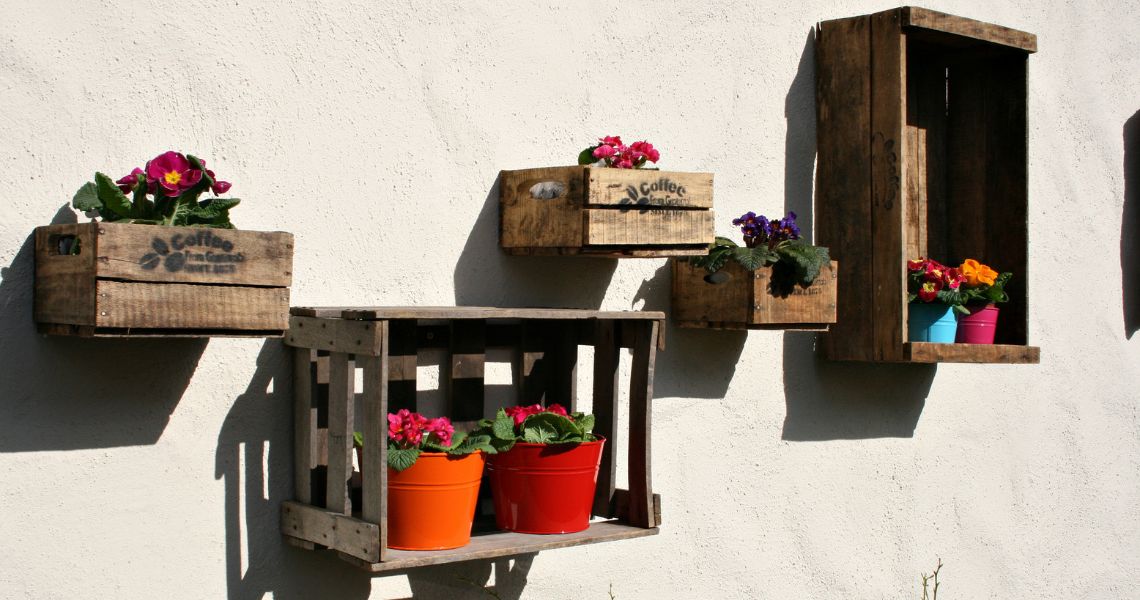
Minimalism and recycling: How to tidy your house consciously
Minimalism is a key tool for reducing consumption and promoting a more sustainable lifestyle.
Top tips to get started:
- Review what you have and what you really use.
- Donate or recycle what you no longer need.
- Opt for durable and repairable objects.
- Reduces plastic and unnecessary packaging.
How to optimise the pantry and reduce waste
A well-organised pantry helps avoid unnecessary purchases and reduce food waste.
Practical recommendations:
- Arrange by date: the oldest at the front.
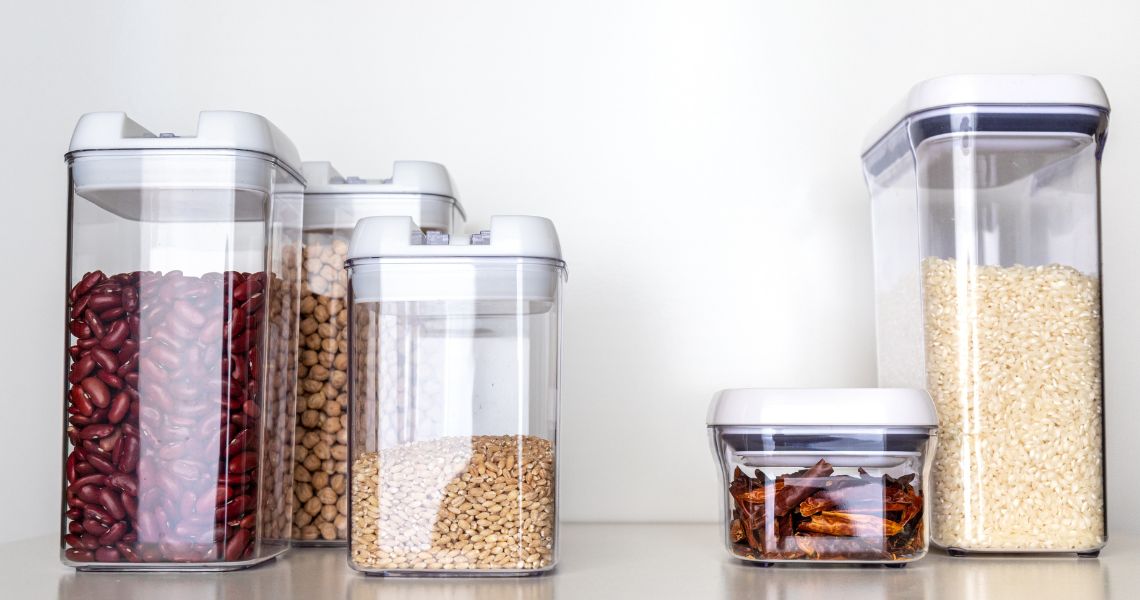
- Use reusable glass or metal containers.
- Buy in bulk when possible.
- Plan your menus before buying.
- Make the most of leftovers with creative recipes.
How to recycle technology and electronic devices safely
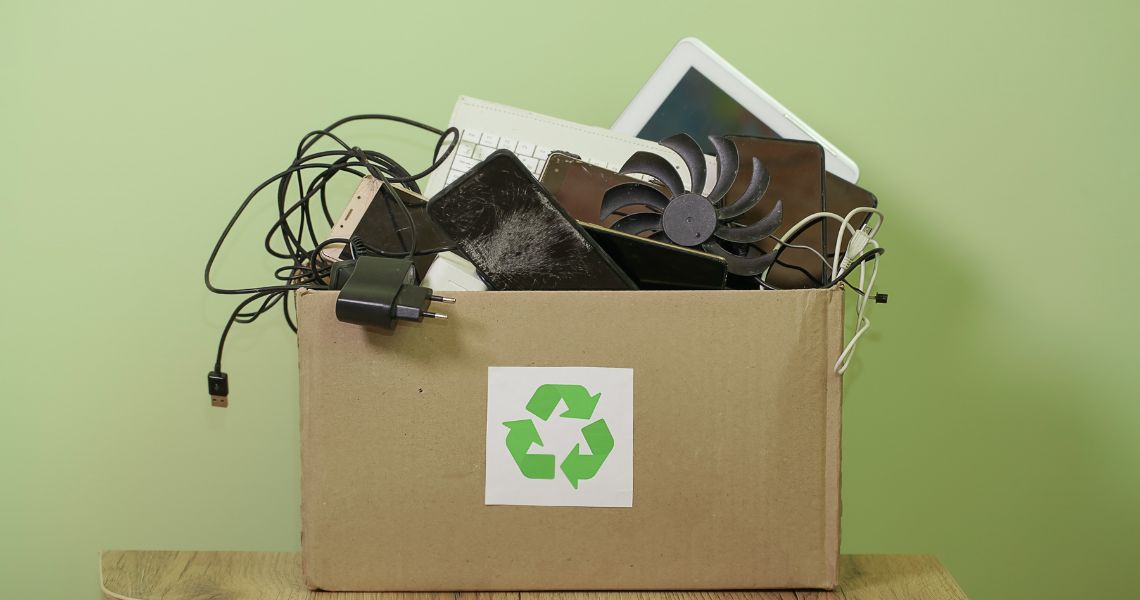
Electronic devices contain valuable materials, but also substances that need to be managed properly.
- Municipal clean points: the safest option for mobile phones, cables, routers, tablets or small appliances.
- Collection programmes: many stores collect devices for recycling.
- Reuse: donate devices that still work to associations or educational centres.
- Delete data: before recycling, delete your personal information from the device.
How to recycle clothes you no longer wear: practical and sustainable ideas
Clothing is among the textile waste that grows the most every year. Before you throw it away, think about these alternatives:
- Transformation: trousers that become shorts, shirts converted into cushions or cloth bags.
- Creative upcycling: add patches, dyes or embroidery to garments to give them a new style.
- Donation: if it is in good condition, a garment can become a valuable resource for someone else.
- Collection points: many municipalities and NGOs collect garments for textile recycling.
Reusing not only saves money; it reduces waste and extends the lifespan of objects—and the less we consume, the smaller our ecological footprint.

What do you think about?
Share comments, opinions and tricks with the Community